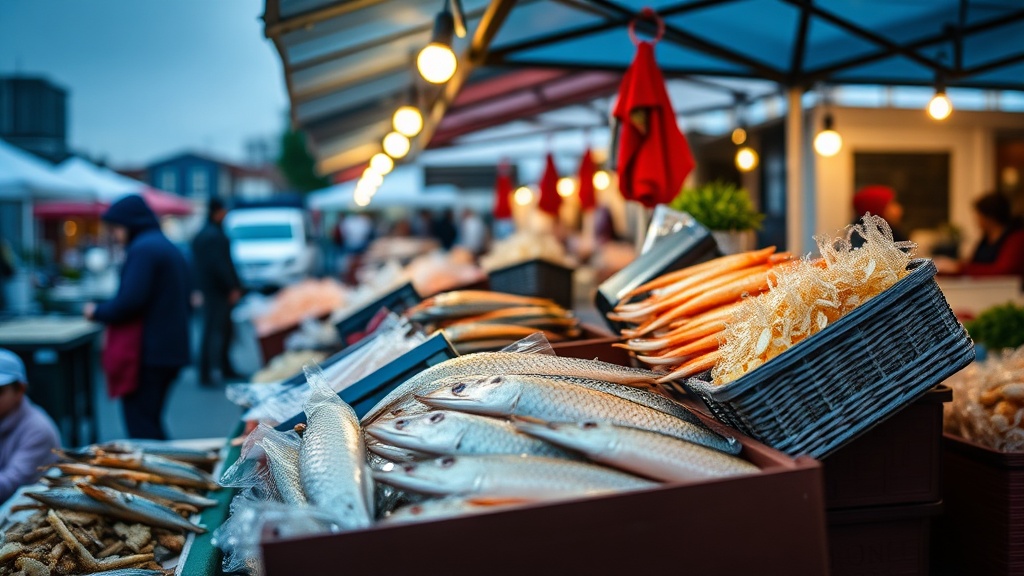
Finding the Best Local Seafood at the St. John's Farmers' Market

Are you trying to figure out how to pick the freshest catch at the St. John's Farmers' Market without getting overwhelmed by the crowds? This guide breaks down exactly how to identify high-quality Atlantic seafood, which vendors to look for, and how to ensure you're getting a fair price for seasonal staples like cod, salmon, and scallops. We'll look at the specific markers of freshness and the best times to shop to ensure you walk away with the best possible haul.
The St. John's Farmers' Market is more than just a place to grab some local honey or a sourdough loaf. For anyone living in Newfoundland and Labrador, it's a primary source for high-protein, high-quality seafood that hasn't spent weeks sitting in a grocery store freezer. If you know what to look for, you can source restaurant-quality ingredients right in the heart of downtown.
What Seafood is in Season in Newfoundland?
The availability of seafood at the market shifts dramatically depending on the month and the specific ocean currents around the coast. You'll find different staples depending on whether it's the height of the summer harvest or the deeper winter months.
In the spring and early summer, you're likely to see an influx of Atlantic salmon and perhaps even some early shellfish. As summer turns to autumn, the focus often shifts toward more robust catches. If you're looking for something specific, always check the seasonal availability through the official seasonal seafood guides to know what's actually hitting the water.
Here is a general breakdown of what to expect throughout the year:
- Spring: Early Atlantic Salmon and certain types of shellfish.
- Summer: High availability of various fish and shellfish varieties.
- Autumn: Peak season for many local species before the freeze.
- Winter: Frozen-at-sea stocks and hearty, preserved options.
Don't expect everything to be available year-round. That's the reality of fishing in the North Atlantic. It's actually a good sign when things are out of season—it means the producers are respecting the natural cycles of the ocean.
How Do You Identify Fresh Fish at the Market?
You identify fresh fish by looking for specific physical indicators like eye clarity, gill color, and scent. Most people rely on smell, but that's only one part of the equation.
First, look at the eyes. They should be bright, clear, and slightly bulging. If the eyes look cloudy or sunken, the fish has been sitting out too long. Next, check the gills. If the vendor allows you to peek under the cover, the gills should be a vibrant, bright red or pink. If they look brownish or grey, move on to the next stall.
The texture is another big one. If you're buying a fillet, it should feel firm and spring back when you press it lightly. If it feels mushy or leaves a permanent indentation, it's losing its structural integrity. Also, pay attention to the smell. It should smell like the ocean—clean and briny—not "fishy." A strong, unpleasant odor is a dead giveaway that the product is past its prime.
It's a bit of a science, really. When you're out exploring downtown St. John's, you'll notice that the best vendors are often the ones who aren't afraid to show you the product up close. If a vendor is hesitant to let you see the quality, that's a red flag.
The Seafood Quality Checklist
Use this quick checklist when you're standing at a stall to make a fast decision:
| Feature | What to Look For (Fresh) | What to Avoid (Old) |
|---|---|---|
| Eyes | Clear, bright, bulging | Cloudy, sunken, dull |
| Gills | Bright red or pink | Brownish or grey |
| Flesh/Fillet | Firm, springy texture | Mushy, soft, indentations |
| Scent | Fresh, salty, oceanic | Strong, "fishy," or ammonia |
How Much Does Fresh Seafood Cost in St. John's?
Prices vary wildly based on the species, the season, and whether the product was caught locally or imported. You should expect to pay a premium for local, wild-caught Atlantic seafood compared to mass-produced varieties found in big-box grocery stores.
For example, Atlantic Salmon is often priced by the weight, and you'll see significant fluctuations during the peak harvest months. Cod, a staple of the Newfoundland diet, is generally more affordable but can spike in price depending on the catch reports. When you're buying shellfish like scallops or shrimp, you'll often see them sold by the pound or in pre-packaged portions.
It's worth noting that buying in bulk can sometimes save you a bit, but only if you have a plan for cooking it quickly. If you're on a budget, look for the "catch of the day" specials. These are often the freshest items and are priced to move quickly. Always ask the vendor about the price per pound before they weigh it out—there's no shame in asking!
If you want to understand the broader economic factors affecting food prices in Canada, the Statistics Canada website provides regular updates on food price indexes. It helps to know if a price hike is a local fluke or a national trend.
What Are the Best Times to Shop for Seafood?
The best time to shop for seafood at the St. John's Farmers' Market is early in the morning on market days. This ensures you get the first pick of the freshest arrivals and the widest selection of available species.
Most vendors arrive early to set up, and the freshest stock is usually laid out by the time the market officially opens. If you arrive an hour or two before the market closes, you might find some great deals, but you're also taking a risk. By that time, the most desirable items may have already sold out, and the remaining stock has been sitting out longer. It's a trade-off between price and quality.
If you're looking for a more relaxed experience, mid-morning is usually the sweet spot. The initial rush of the "early bird" crowd has passed, but the selection is still relatively intact. Just remember that for the truly high-end stuff—like prime scallops or large salmon heads—the early bird really does get the worm.
I've found that if you're looking for a specific item, it's always a good idea to check the market's social media or website beforehand. Many local producers will announce what they're bringing in for the week. This can save you a wasted trip if you're searching for a specific seasonal delicacy.
Whether you're prepping a simple pan-seared cod or a complex seafood chowder, the quality of your base ingredients will dictate the final result. Don't settle for mediocre fish when you have access to some of the best in the country right in your backyard. Take your time, use your senses, and enjoy the process of picking out your own dinner.
Steps
- 1
Arrive Early for the Best Selection
- 2
Identify the Seasonal Catch
- 3
Ask Vendors About Origin
- 4
Bring Your Own Reusable Bags