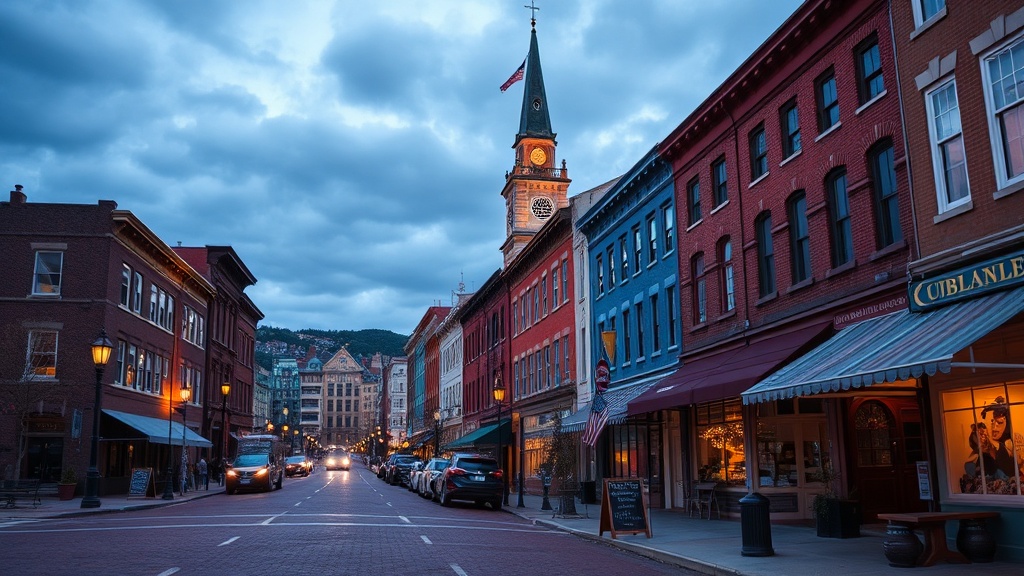
How to Spend a Perfect Weekend Day Exploring St. John's Historic Downtown

What You'll Discover in Downtown St. John's
This guide maps out a complete Saturday or Sunday exploring the colorful streets, historic sites, and local haunts that make St. John's downtown worth the trip. You'll find a practical itinerary—starting with morning coffee and ending with evening entertainment—that balances must-see landmarks with hidden corners only locals know. Whether you're visiting from Corner Brook, planning a staycation, or showing around out-of-town guests, this route maximizes your time without rushing through the experience.
Where Should You Start Your Morning in Downtown St. John's?
Start at Fixed Coffee and Baking on Duckworth Street. Grab a seat near the window (arrive before 9:30 AM if you want a table) and order the batch brew or a cortado with one of their house-made scones. The coffee here rivals anything you'll find in Halifax or Montreal—roasted in small batches and served by baristas who actually know their beans.
Fixed opens at 8:00 AM on weekends, making it the perfect launch point. The space fills up fast, especially when cruise ships are docked at nearby Harbourfront. Don't dawdle—drink your coffee, eat your pastry, and get moving by 10:00 AM.
From Fixed, walk east on Duckworth toward the harbour. The morning light hits the jellybean row houses perfectly around this time—those iconic brightly painted Victorian homes that define St. John's streetscapes. You'll pass them soon enough, but first, detour down Beck's Cove to the Ryan Premises National Historic Site.
This restored 19th-century fish merchant's premises offers free admission and a genuine glimpse into Newfoundland's saltfish trade. It's not a sprawling museum—two buildings, maybe twenty minutes total—but it grounds everything you'll see later. The interpretive staff know their stuff, and they're happy to chat about the Ryan family, the Portuguese buyers, and why salt cod built this city.
What's the Best Walking Route Through the Historic District?
The most efficient loop starts at the harbour, climbs up toward Signal Hill Road, cuts across to Gower Street, then descends back toward Water Street—covering roughly 3 kilometers with plenty of stops.
Begin at the Harbourside Park benches facing the Narrows. From there, head up Signal Hill Road (it's a hill—wear proper shoes). The climb rewards you with expanding harbour views and, about halfway up, your first real encounter with jellybean row. These aren't just cute houses—each color has history. The bright hues helped fishermen identify their homes from the water. Today, owners compete (good-naturedly, mostly) for the most photogenic facades.
At the top of the hill, turn left onto Military Road, then right onto Gower Street. This stretch contains some of the best-preserved 19th-century architecture in Canada. Look for:
- The Basilica of St. John the Baptist — Completed in 1855, it's a designated National Historic Site with one of the finest Gothic Revival interiors in North America. The twin clock towers dominate the skyline. Pop inside if the doors are open—the stained glass alone justifies five minutes.
- The Anglican Cathedral of St. John the Baptist — Confusingly similar name, completely different vibe. Smaller, stone, perched on Church Hill with a graveyard full of history. The contrast between these two churches tells you plenty about Newfoundland's colonial past.
- The Rooms — Newfoundland and Labrador's provincial museum, art gallery, and archives. Even if you don't go inside (though you should), the cantilevered building offers the best downtown viewpoint. The cafe upstairs serves decent lunch with panoramic harbour views.
From The Rooms, descend via Colonial Street to Water Street—billed as the oldest commercial street in North America. Whether that claim holds up depends on your definition of "commercial," but the street's energy is undeniable.
Where Should You Eat Lunch and Shop Local?
Water Street and the adjacent Duckworth Street corridor pack more independent businesses per block than anywhere else in Atlantic Canada. For lunch, you've got options—each with distinct character.
| Restaurant | Best For | What to Order | Price Range |
|---|---|---|---|
| Mallard Cottage | Elevated Newfoundland cuisine | Lamb ribs, toutons with molasses | $$$ |
| Chinched Bistro | House-cured meats, charcuterie | Board with pickles and mustard | $$ |
| The Gypsy Tea Room | Casual atmosphere, good value | Fish and chips, veggie burger | $$ |
| Raymonds Restaurant | Special occasion, tasting menu | Chef's lunch tasting (reserve ahead) | $$$$ |
That said, lunch isn't the main event here—shopping is. St. John's downtown offers refreshingly few chain stores. Instead, you'll find:
- Nonia — Handmade goods from Newfoundland and Labrador artisans. Wool socks, pottery, jewelry. Prices aren't cheap, but neither is the craftsmanship.
- Johnny Ruth — Local streetwear brand that somehow captures Newfoundland pride without being tacky. Their "Home" series shirts sell out regularly.
- The Heritage Shop — More traditional souvenirs, but curated well. Great spot for local books—pick up something by Michael Crummey or Lisa Moore to read later.
- Posie Row & Co. — Stationery, gifts, and cards with local designs. Worth a browse even if you're not buying.
Spend your afternoon wandering. Duck down the side streets—Flavin's Lane, Church Hill, Bishop's Cove. The downtown core is compact. You can't really get lost, and the dead ends often hide the best photo opportunities.
What Local Experiences Should You Not Skip?
Three activities separate tourists who checked the boxes from visitors who actually experienced St. John's. Build at least one into your day.
First: George Street. Yes, it's famous for nightlife—but visit during daylight. The street closes to vehicles and becomes a pedestrian lane. Read the building plaques. Notice how the bars and pubs occupy former merchant warehouses. Many date to the 1800s. The street's reputation as a party zone obscures its genuine history. Grab a pint at Christian's Pub if they're open (they usually are by 3:00 PM). The wooden interior hasn't changed much in decades.
Second: The Newman Building Vault. Tucked behind the Murray Premises on Water Street, this restored stone warehouse (circa 1845) now houses shops and restaurants. The exposed brick and heavy timber framing offer a visceral sense of what working waterfront life felt like. The Merchant Tavern operates here—excellent for dinner later, but worth walking through anytime.
Third: A conversation with strangers. Here's the thing—Newfoundlanders actually do talk to visitors. Stand at a crosswalk looking confused, and someone will offer directions. Sit at a bar, and you'll learn someone's life story. It's not an act for tourists. It's cultural. Accept it. Ask questions. You'll get better recommendations than any blog post can provide—including this one.
Afternoon Coffee and Recovery
By 4:00 PM, you'll need a break. Head to Battery Cafe on Queens Road—tucked in a heritage building with a cozy, slightly cluttered interior. They roast their own beans and serve excellent baked goods. The back patio (weather permitting) offers a quiet retreat from the downtown bustle.
Alternatively, Jumping Bean Coffee on Signal Hill Road provides a more modern, laptop-friendly environment. Their "Wake the Dead" dark roast lives up to the name.
How Should You Spend Your Evening in Downtown St. John's?
Evening brings different energy. Restaurants fill. Street musicians appear on George Street. The sunset over the South Side Hills paints the harbour orange and pink—find a vantage point along Harbour Drive or the Battery to watch it.
For dinner, book ahead on weekends. St. John's restaurant scene punches above its weight, but tables disappear fast. Options range from casual to fine dining:
- Merchant Tavern — Modern Newfoundland cooking in that beautiful historic space. The menu changes seasonally. Always order whatever fish is freshest.
- Bacalao — Creative takes on traditional ingredients. The name references salt cod—respect for history with contemporary technique.
- Piatto Pizzeria — Neapolitan-style pizza fired in imported ovens. Surprisingly authentic. Good for families or groups with varying tastes.
After dinner, George Street wakes up properly. If live music interests you, check who's playing at:
- The Ship Pub — Intimate venue, excellent acoustics, folk and trad acts.
- The Rockhouse — Larger space, rock and indie bands, younger crowd.
- Bridie Molloy's — Irish pub atmosphere, traditional sessions some nights.
Not into bars? Take an evening walk through the Battery—the narrow residential community beneath Signal Hill. The narrow streets, wooden houses, and harbour views feel like stepping back in time. It's a residential neighborhood, so be respectful, but locals are generally tolerant of quiet visitors.
What Should You Know Before You Go?
A few practical details make the difference between a good day and a frustrating one.
Weather: St. John's weather changes fast. The city sits on the edge of the North Atlantic—fog rolls in, winds shift, rain appears from clear skies. Dress in layers. Bring a proper rain jacket, even if the morning looks perfect. Fog can obscure Signal Hill completely by afternoon.
Parking: Street parking downtown is limited and metered (8:00 AM to 6:00 PM weekdays, free evenings and Sundays). Lots exist behind Water Street and near The Rooms. Expect to pay $10-15 for a full day.
Walking: Hills are real. The elevation change from Water Street to The Rooms is roughly 100 meters. Comfortable shoes matter. The cobblestones on some side streets are picturesque but ankle-twisting in heels or flimsy sandals.
Timing: Many independent shops close at 5:00 or 6:00 PM, even on weekends. Restaurants often don't open until 5:00 PM for dinner. Plan accordingly—the afternoon lull can leave you hungry with limited options.
Why St. John's Downtown Rewards Slow Exploration
St. John's isn't Halifax. It isn't Quebec City. It doesn't offer block after block of polished historic districts. Instead, it delivers concentrated character—dramatic topography, genuine working harbor, buildings that survived fires and economic collapses, and people who treat conversation as art form.
The perfect weekend day here isn't about checking every box. It's about leaving space for discovery. The best moments—stumbling into a kitchen party at a pub, getting invited to view someone's restored heritage home, finding the perfect photograph as fog clears around the Basilica—can't be scheduled.
Start early. Walk far. Talk to people. Eat the local fish. Accept that the weather might turn. That's the St. John's experience—the city doesn't perform for visitors, but it rewards those who show up ready to meet it on its own terms.
Steps
- 1
Start Your Morning on Water Street
- 2
Explore Jellybean Row and Side Streets
- 3
Hike Signal Hill for Panoramic Views